Special Rails I140V+N
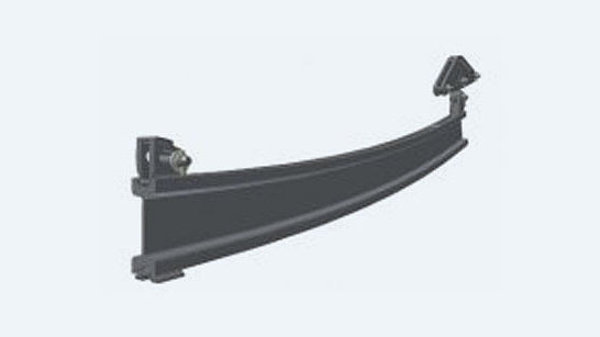
Trough Rails I140V
Trough rails are used to compensate for changes in the track's gradient. The radius along the rail's vertical axis is r = 10,000 mm.
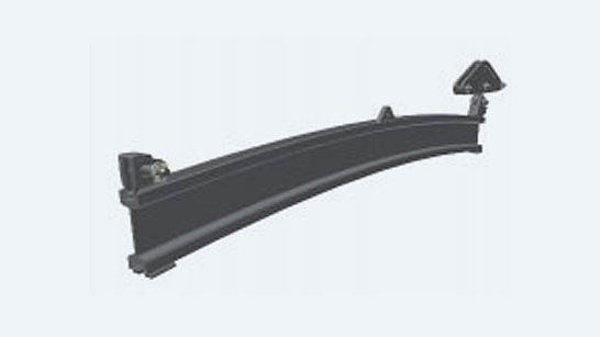
Saddle Rails I140E+N
Saddle rails are used to compensate for changes in the track's gradient. The radius along the rail's vertical axis is r = 10,000 mm.
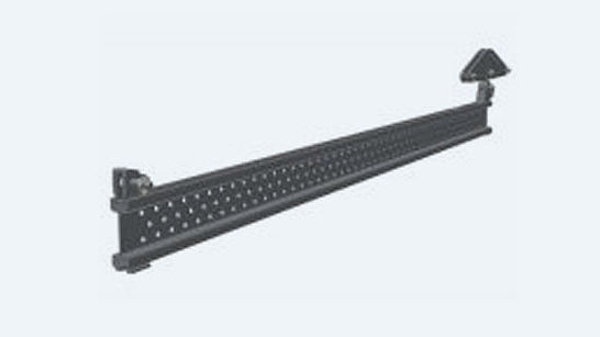
Slotted Rails I140V+N
Slotted rails are used to improve the traction of drive trolleys in critical operating areas, such as wet sections of track.
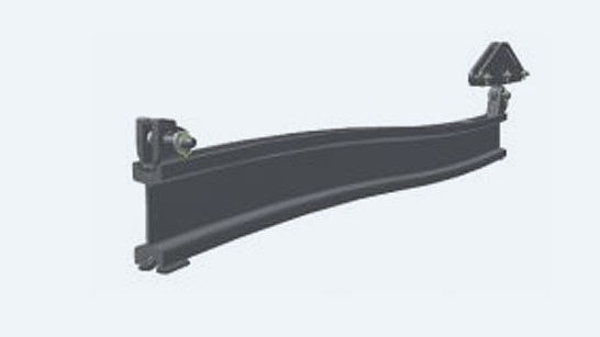
Leveling Rails I140V+N
Leveling rails are used to compensate for differences in elevation along the track. The radius along the vertical axis of the rail is r = 10,000 mm.
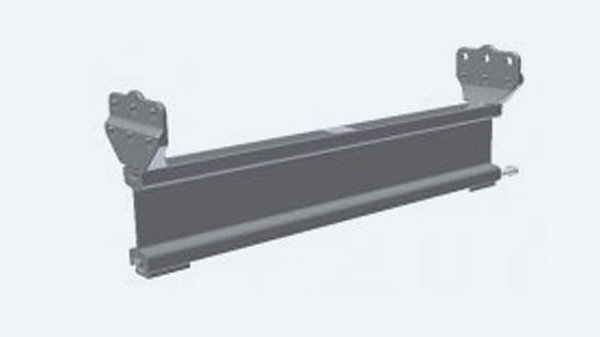
Adapter Pieces I140V+N
Adapter pieces are used as compensation rails in lengths ranging from 500 mm to 2,900 mm for curves and turnouts.
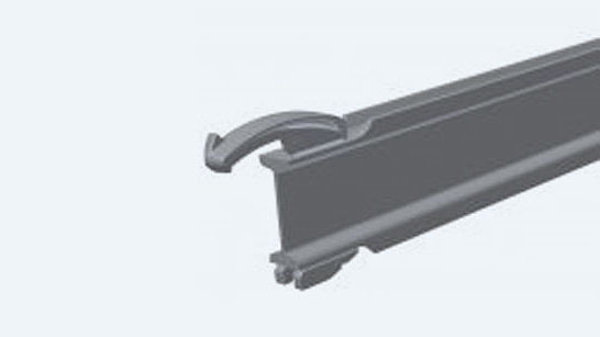
Transition Rails I140V+N
Transition rails are used in various lengths to facilitate the transition to the NEUHÄUSER standard profile I140E+N or to profiles from other rail systems offered by different manufacturers.